
Digital and Content | Featured Piece
Three-Part Digital Video Campaign:
The Black Dog, Dog Rescue
Summer 2024 | Com 561: ‘Multimedia Content Creation‘
“I have so enjoyed watching you grow this semester, and I’m so impressed with your work!”
-Michelle Galey, Professor of Practice
Edward R. Murrow College of Communication, Washington State University
Background
This three-part video series was created for the course titled, “Multimedia Content Creation” where the focus was on video storytelling fundamentals, project management, and using Adobe Premiere Pro. The ultimate goal of the course was to create an online multimedia student portfolio where each project was published to a WordPress blog alongside a written design-process reflection.
See that blog here:
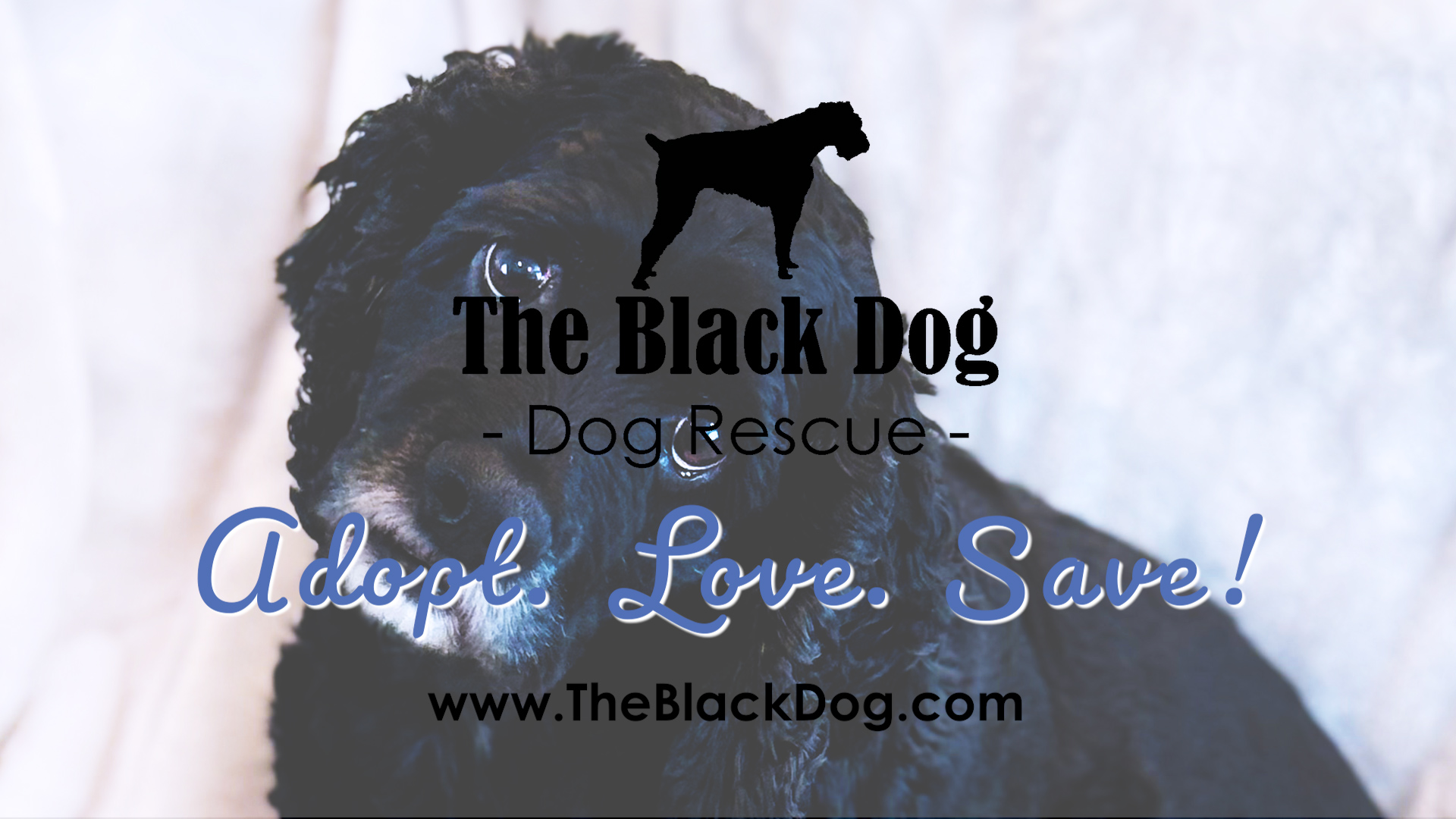
The campaign I developed centered on a fictitious dog rescue that I created for the purpose of this assignment: “The Black Dog, Dog Rescue.” The campaign was designed to address “Black Dog Syndrome,” the phenomenon in which dogs with black coats are persistently overlooked in shelters, making it harder for them to be adopted. The creative goal was to use emotional video storytelling to shift that perception and drive viewers toward the adoption of black-coated dogs.
Three distinct deliverables were required, each formatted and optimized for a different distribution channel:
- Facebook Video: a longer-form video (~1:30) with voiceover, music, and on-screen text, designed for emotional depth and shareability.
- Instagram Reel: a short-form vertical video (~0:45, 1080px × 1920px) optimized for mobile viewing, with a tighter narrative arc.
- Broadcast Spot: a compressed (~0:30), broadcast-ready version of the campaign message built around a concise voiceover script.
My role in the project included every stage of production: concept development, scriptwriting, storyboarding, directing and filming original footage, audio mixing, video editing, motion graphics, color grading, and blog documentation. The project ran over approximately three weeks in the Summer of 2024.
Scope
The scope of this project was considerably more involved than a typical single-deliverable assignment. Producing three channel-specific videos from a shared b-roll library required careful asset management, version control, and Premiere Pro workflow planning.
Key elements of the task included:
- Script Development: Writing a narrative voiceover script for all three formats, calibrated to the emotional tone and time constraints of each channel.
- Storyboarding: Creating shot-by-shot storyboards to plan camera angles, audio cues, timing, and transitions before filming.
- For example, the Instagram storyboard mapped a 45-second arc from a wide establishing shot of Duke in the kennel to a close-up of his eyes, with notes on voiceover timing, lens type, and emotional direction.
- Capturing Original Footage: Filming the subject dog, Duke, in both the mock-indoor kennel setting and in outdoor walking scenes, along with additional B-roll that involved human and dog interactions. The indoor setting presented a lighting challenge because of the dog’s black coat.
- Multi-Sequence Editing in Adobe Premiere Pro: Building three independent nested sequences, each with four or more video tracks, multiple audio tracks (music bed, voiceover, ambient sound effects), and text/graphics layers.
- The Facebook sequence alone ran approximately 1 minute and 28 seconds across several dozen clips.
- Music Licensing and Audio Layering: Sourcing and licensing royalty-free music tracks and then layering them with the original voiceover recordings and ambient sound effects (dog barking, birds chirping).
- Finding royalty-free music that fit the overall feeling and goal of the pieces was a time-consuming task that took several hours.
- Motion Graphics and Lower Thirds: Designing and animating on-screen text elements, campaign title cards, and the closing logo/call-to-action graphic that featured the CTA: “Adopt. Love. Save.”
- Accessibility and Platform Optimization: Ensuring correct aspect ratios for each channel (16:9 for broadcast and Facebook; 9:16 vertical for Instagram). Post-review, I also decided that captions were needed for the Instagram version.
- Blog Documentation: Writing a thorough design-process post on the WordPress blog for each video that also detailed concept, process, and reflection.
The most demanding constraint for this project was working with footage of a black-coated dog, where contrast and exposure adjustments required additional color grading attention during post-production.
Process
The production process followed a structured workflow that moved from pre-production, production, and post-production, which I applied across all three deliverables simultaneously.
Pre-Production
I started this project by researching Black Dog Syndrome to establish a credible, emotionally resonant foundation for the campaign. The brief script I wrote, “Imagine being overlooked time and time again… simply because of your black fur,” was designed to position the viewer inside the dog’s experience before introducing the rescue organization.
I found that storyboarding was an essential pre-production step. I completed detailed storyboards for every video version using StudioBinder Storyboard Templates. The template format allowed me to think about necessary specific camera angles (wide/MS/CU/ECU), duration of shots, audio cues, voiceover text, lens timing, as well as the emotional direction for each shot. This level of planning allowed me to efficiently film my ideas as well as making the editing process significantly easier.

Production
Filming took place across multiple settings. Because it was the end of July in Seattle, I cleaned out my garage to use a space for filming. I started with Duke in the kennel environment to establish the shelter context and showcase the low-contrast challenge of black fur against cage backgrounds where there is a lot of natural lighting. For the outdoor and in-home settings, I focused on shooting in a way to demonstrate the transformation dogs go through when they are adopted. The human–dog interaction shots, especially the moment where my daughter touches noses with Duke, were planned as the emotional peak of the narrative arc.
Post-Production
I created each of the three sequences in Adobe Premiere Pro, drawing from a shared master media bin. *See the three video timeline sequences at the bottom of this page.
The key decisions I made during post-production included:
- Nesting the broadcast sequence inside the Facebook/Instagram sequences to maintain a clean master structure that also allowed for the easy re-use of color grades and effects.
- Layering four audio tracks per sequence: a music bed (A1), voiceover (A2), ambient effects like dog barking and birds chirping (A3), and then a supplemental audio channel (A4) for additional sound design elements.
- Applying FX adjustments and purple “fx” flags to mark clips that required additional edits like color correction, brightness adjustments, or motion effects.
- Designing the rescue logo, as well as the closing “Black Dogs, Bright Futures” title card and final frame, as a way to create a memorable visual ending that I paired with the voiceover call to action.
After a self-critique and peer review, I returned to the timeline to address the most actionable feedback: improving the voiceover fade-in/fade-out on the Facebook video to eliminate the abrupt mic “on/off” effect, evaluating color correction options for indoor low-contrast shots, and reviewing the pacing of the broadcast spot.
Lessons Learned
What went well:
The emotional storytelling was a clear strength for this project. During peer reviews, a student said that the video was “great for inspiring emotion and empathy” and that the script was “engaging and bright.” The call to action was called “memorable and tugs on heartstrings.” Another student said that the video made him learn something he did not know before, that Black Dog Syndrome affected dogs in the same way that it affects black cats. In my opinion, this feedback confirmed the campaign achieved its core informational goal.
The music selection and audio design were also consistently praised. Professor Galey noted: “Nice choice of music and captions really stand out! Good pacing! Excellent job with voiceover!” The layering of the ambient sounds with the music bed and voiceover created an emotionally textured audio experience that really elevated the footage.
In regard to the technical execution of using correct aspect ratios and platform-appropriate formatting, the positive feedback received reflected the intentional planning that went into tailoring each deliverable to its distribution channel.
Finally, the blog documentation and storyboarding pieces also earned high marks: “I really enjoyed reading your blogs, too. Very thorough job and nice work on your storyboards!” Overall, the design process write-up demonstrated a depth of thinking beyond just the technical execution of the project.
The main challenge:
The most persistent technical challenge was color grading footage of a black-coated dog. Indoor kennel shots presented low-contrast images where Duke could be difficult to distinguish from the shadowy background. During peer reviews, a student specifically recommended playing with light and shadow for the indoor shots, as well as using an adjustment layer to accentuate the contrast between text and background without altering the underlying footage. This was a lesson in pre-production lighting planning where in future shoots, I would need to use supplemental lighting for dark-coated subjects in low-light environments.
The broadcast spot was another hurdle, because compressing the full narrative into 30 seconds while maintaining pacing and emotional resonance proved much harder than anticipated. On the Facebook video, I had two separate issues: an abrupt microphone fade-in around the 0:00–0:30 mark that disrupted the audio flow, and a structural pacing problem where placing the logo on screen at 1:10 created a false sense of ending before the video actually closed.
Peer reviews helped me notice most of the issues, recommending an adjustment layer for contrast, trimming content in the broadcast spot to give the final logo card more time on the screen, and reworking the Facebook closing sequence for a cleaner arc. Each challenge pointed to the same underlying lesson: that it’s best practice to always do a final review pass that isolates the audio, pacing, and structure before finalizing the edit.
Outcomes:
The project received enthusiastic feedback from my Professor: “Loved your videos! You have some fantastic shots in there! Your final products reflect some great suggestions from your classmates!” From a skill-development perspective, this project marked a significant milestone in my Adobe Premiere Pro proficiency. Managing three separate multi-track sequences from original footage, layering complex audio, and delivering channel-appropriate formats all within a single project was the most technically demanding editing work I had undertaken to that point.
The campaign concept (using emotional micro-narrative to advocate for an overlooked cause) is a transferable framework I intend to apply in future communication campaigns. Overall, this project demonstrated that a tight script, a well-planned storyboard, and deliberate audio design can produce a professional-quality advocacy video even with a modest production setup.


Leave a Reply